Sustainability
Improve eco-efficiency
Improve eco-efficiency
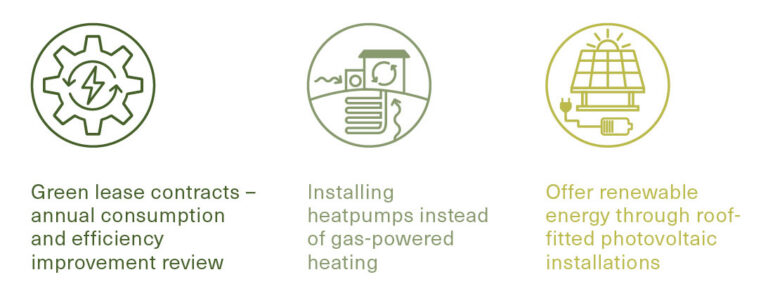
The strategy to reduce emissions from tenant operations is built upon our green leases and energy management and renewable energy policies based on the following pillars:
Daily optimization of operations.
Digital technology and changing consumer expectations have set the stage for new solutions.
Technical improvement of the equipment, including installing smart meters and LED lighting at refurbishment.

Offering renewable energy solutions to our tenants, including tailor-made roof-fitted photovoltaic installations for self-consumption and off-site green energy contracts offered through our own energy trading activities leveraging photovoltaic installations elsewhere in the group. Since 2024 the Group also has started a roll-out of battery storage systems which will further enhance self-consumption.
Improving the intrinsic quality of our new developments, including the installation of heat pumps instead of gas-powered heating where feasible.
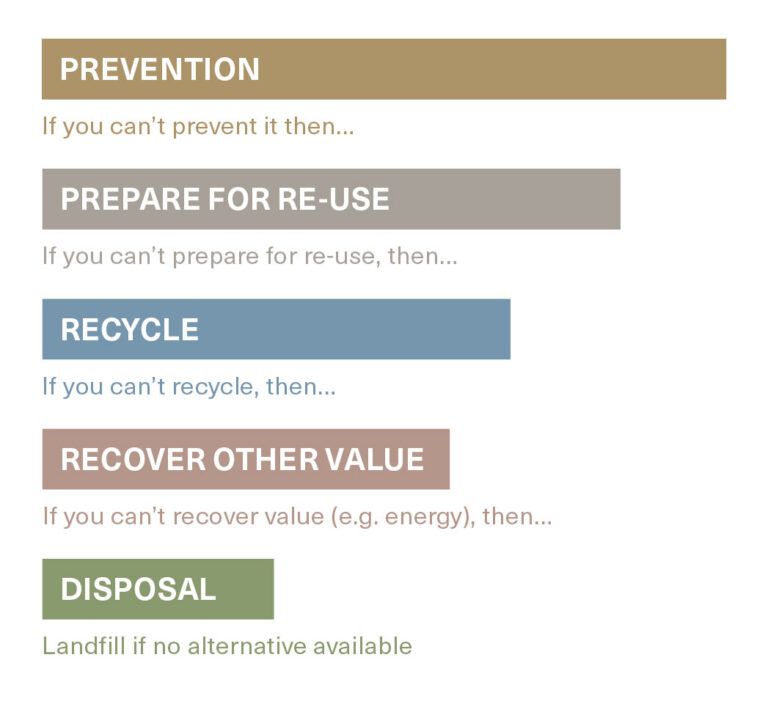
VGP has a Green Office Policy in place which is focused on waste reduction opportunities based on the revised EU Waste Framework Directive (Directive 2008/98/EC) which sets out five steps for dealing with waste, ranked according to environmental impact – the ‘waste hierarchy’ – with a first and most important focus on prevention and secondly prepare for re-use. By implementing these strategies the Group is able to reduce waste of its office operations.
The Group promotes lease contracts which included agreements on ESG performance during the operation phase through a set of requirements, including fit-out, operation and reporting requirements. The approach encourages the tenants to play a role in the environmental performance of the assets which they occupy.
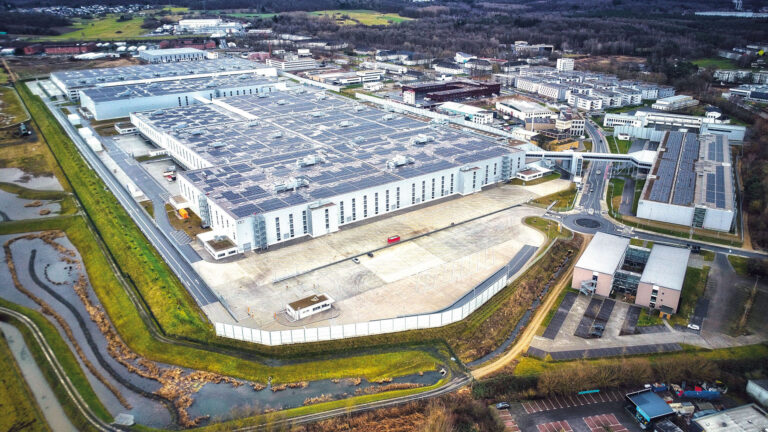
The final phase of the Giessen am Alten Flughafen development, including the last building and a multistory parking facility, was completed in 2024. The project incorporates diverse sustainability measures, particularly in water conservation, reducing resource consumption while enhancing efficiency.
Rainwater Harvesting and Usage:
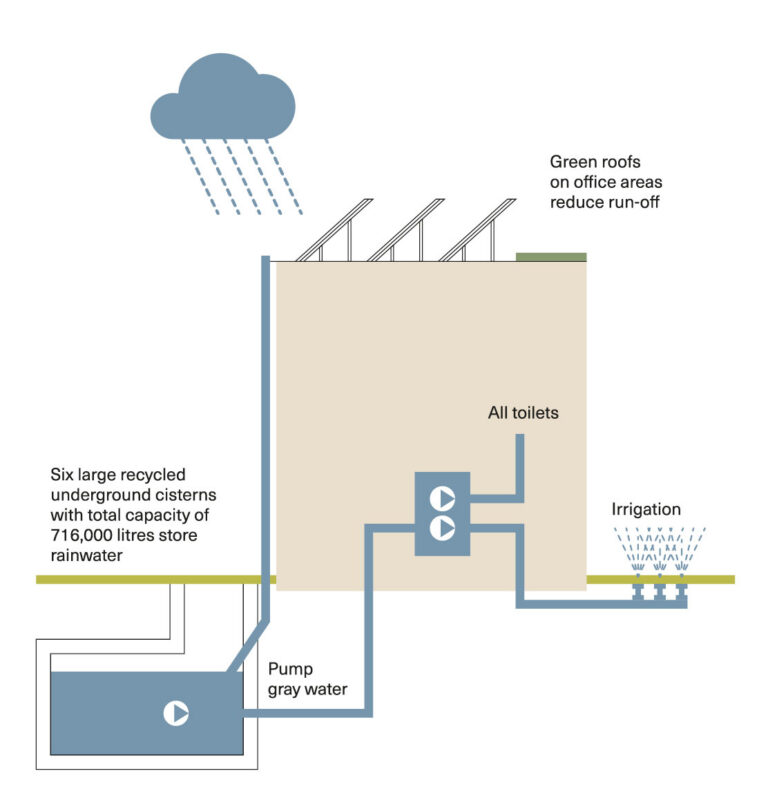
Six large recycled cisterns with a total capacity of 716,000 litres store rainwater with the collected water used for toilet flushing and irrigating green spaces, significantly reducing the demand for fresh water.
Water-Saving Fixtures:
In accordance with EU Taxonomy requirements, all sanitary areas are equipped with low-flow water-saving fixtures (e.g., showers with 8 l/min flow rate) to minimize consumption.
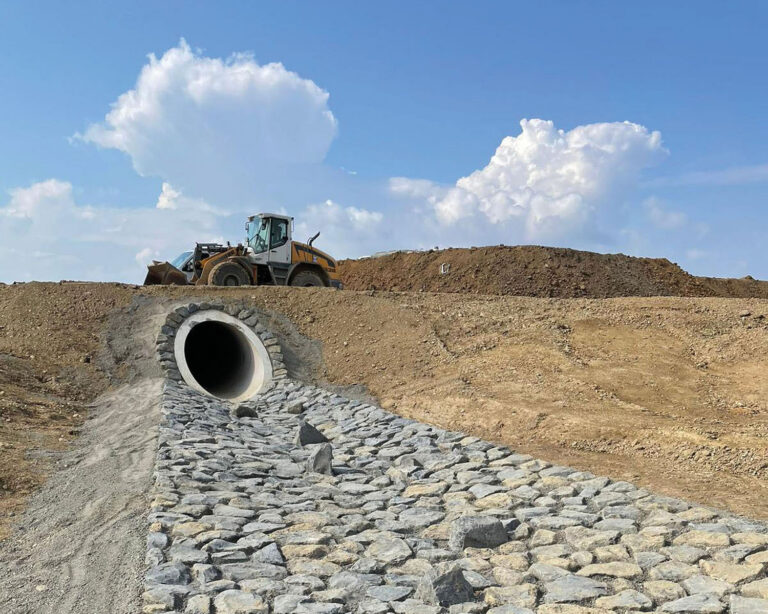
Storm water Management & Groundwater Protection:
Excess rainwater is filtered and discharged into the nearby Krebsbach stream, reducing the burden on the municipal drainage system whilst a WGK membrane (Water Hazard Class film) is used to protect groundwater from potential contamination. In addition Green roofs on office and technical areas reduce runoff while improving insulation.