Sustainability
Protect and Improve Biodiversity
Protect and Improve Biodiversity
As part of its ESG Strategy roadmap, the Group developed a Group biodiversity strategy and policy. The goal of the policy is to put Europe’s biodiversity on a path to recovery by 2030. The biodiversity Group strategy is based on the following four pillars:

Respect protected areas and sites with high biodiversity value and stakes

Restore nature, first where such an investment is most meaningful and advance sustainable management across the value chain
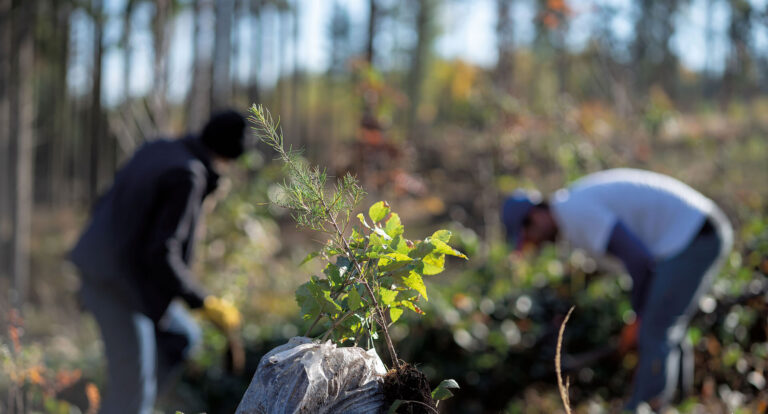
Enable change through education of own workforce and stakeholders; seek to strengthen use of green financing framework.

Deploy actions outside of immediate value chain through continuation of VGP Foundation nature projects
VGP’s procurement strategy focuses on fairness, quality, long-term partnerships, and regulatory compliance. Key criteria include:
The Group’s due diligence procedures align with EU Taxonomy to avoid new developments on:
Development projects are prioritized on brownfield sites with existing infrastructure. In 2025, 100% of land acquired was within development areas.

VGP manages 2.4 million square meters of green surface in existing parks, enhancing biodiversity in accordance with BREEAM Excellent/DGNB Gold standards and biodiversity action plans.
By 2030, VGP aims to implement renaturation or biodiversity projects in all standing assets, increasing green spaces and biodiversity.
The Group invested in a Verra-compliant agriculture project in Denmark to remove carbon and store it in the soil.

VGP Park Magdeburg, located in Osterweddingen, Sülzetal, demonstrates a commitment to sustainability and biodiversity conservation, aligning with EU Taxonomy objectives. The park integrates ecological measures to balance economic growth and environmental responsibility.
